Human Nutrition and Dietetics Concentration, B.S.
The B.S. in Nutrition with a Human Nutrition and Dietetics concentration applies nutrition, biochemistry, physiology, management, and behavioral sciences to promote optimal health.
Our program offers:
- A low student-to-faculty ratio for personalized teaching, advising, and mentoring
- Service-learning opportunities in many courses for hands-on application of coursework
This concentration is designed for students aiming to become a Registered Dietitian Nutritionist (RDN). It is an Accredited Didactic Program in Dietetics (DPD) recognized by the Accreditation Council for Education in Nutrition and Dietetics of the Academy of Nutrition and Dietetics.
Students are automatically enrolled in the DPD program at UNCG and complete the coursework needed to apply for a supervised practice . Graduates are prepared for careers as nutritionists and entry into RDN-required supervised practice.
Program Overview
Student Engagement
- Participate in undergraduate research with faculty
- Engage in community nutrition activities requested by the local community
- Complete disciplinary honors projects (if eligible)
- Many undergraduate courses have a community engagement component that affords students the opportunity to gain valuable experience.
Professional Development
- Apply to supervised practice programs after graduation
- Join student and professional organizations: UNCG Nutrition Club, Academy of Nutrition and Dietetics, NC Dietetic Association, NC Academy of Science
Research Focus
- Obesity, energy balance, and chronic disease
- Effects of bioactive food components on cell function and disease prevention
- Nutrition risks and needs of underserved or limited-resource populations
Laboratory Facilities
- Anthropometric equipment for field research
- Exercise testing equipment
- Phlebotomy facilities
- Anthropometric measurement room
- Dual-energy X-ray absorptiometer (DEXA) bone density unit
- Nutrition Data System for Research software for dietary intake analysis.
Potential career Paths
- Chief Dietitians
- Clinical Dietitians
- Consultant Dietitians
- Cooperative Extension Agents
- Patient Food Services Managers
- Product Representatives for pharmaceutical companies
- Public Health Nutritionists
Undergraduate Minor
A Minor in Nutrition can be beneficial to students pursuing an undergraduate degree in a scientific, clinical, or medical based field such as Kinesiology, Nursing, Public Health, etc.
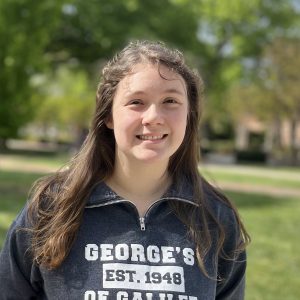
I chose UNCG Nutrition for a lot of reasons. I love my classwork, all of the professors, and all of my fellow classmates. For the first time in my college career, I am excited to come into class and learn every day
Natalie, Human Nutrition and Dietetics B.S. Student