


Director of Culinary Medicine Trains Students for Real World
The foodservice business can be an unpredictable one—and that’s a lesson dietetic interns at the University of North Carolina at Greensboro (UNCG) have been learning first-hand.
The foodservice business can be an unpredictable one—and that’s a lesson dietetic interns at the University of North Carolina at Greensboro (UNCG) have been learning first-hand.
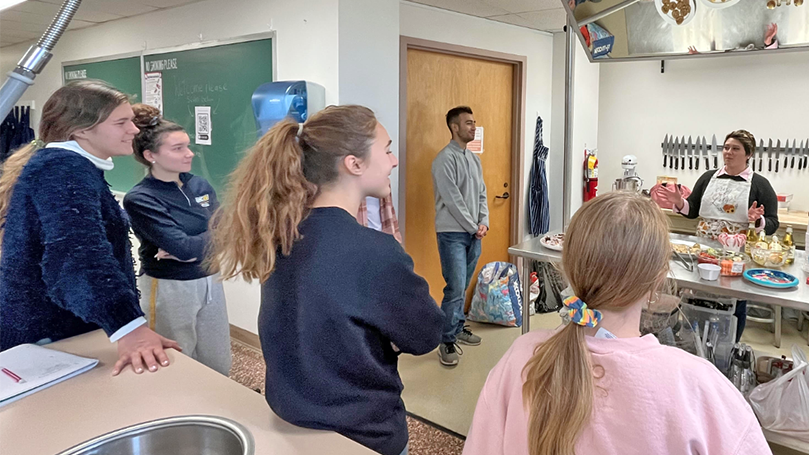
We are looking forward to volunteering with Out of the Garden Project again this semester!

“I have a genuine passion for helping people, and this career path will help me do that,” says Isa Ramos-Castillo, current UNC Greensboro dietetic intern and nutrition graduate student.
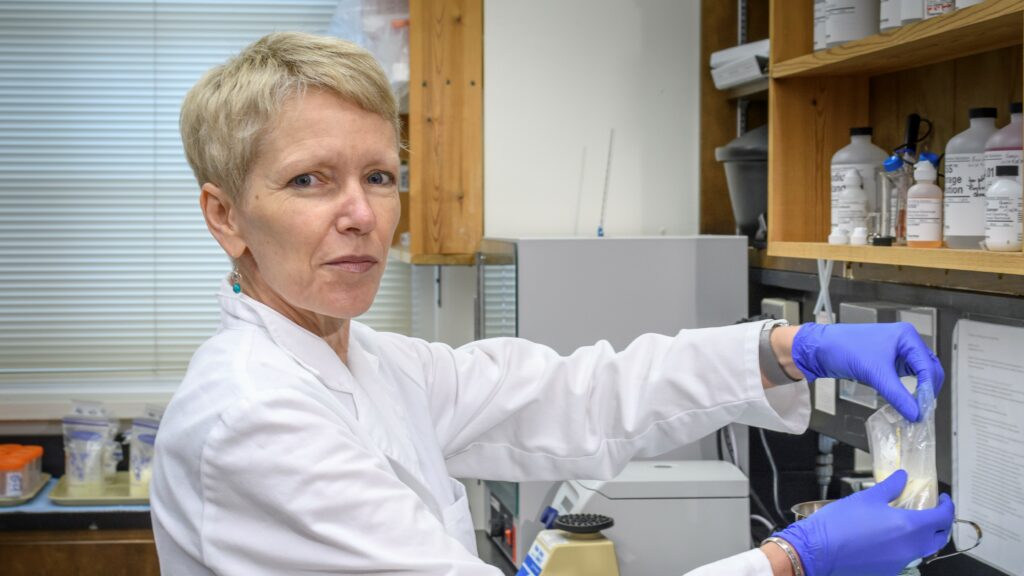
Associate Professor of Nutrition Maryanne Perrin is one of 16 people worldwide selected by the World Health Organization to serve on the first Guidelines Development Group to help create global guidelines for human milk banking.

“I support the players from an individual approach,” Meinhold says. “I’m there if they have individual questions, if they have individual needs, or if we’ve noticed something.”
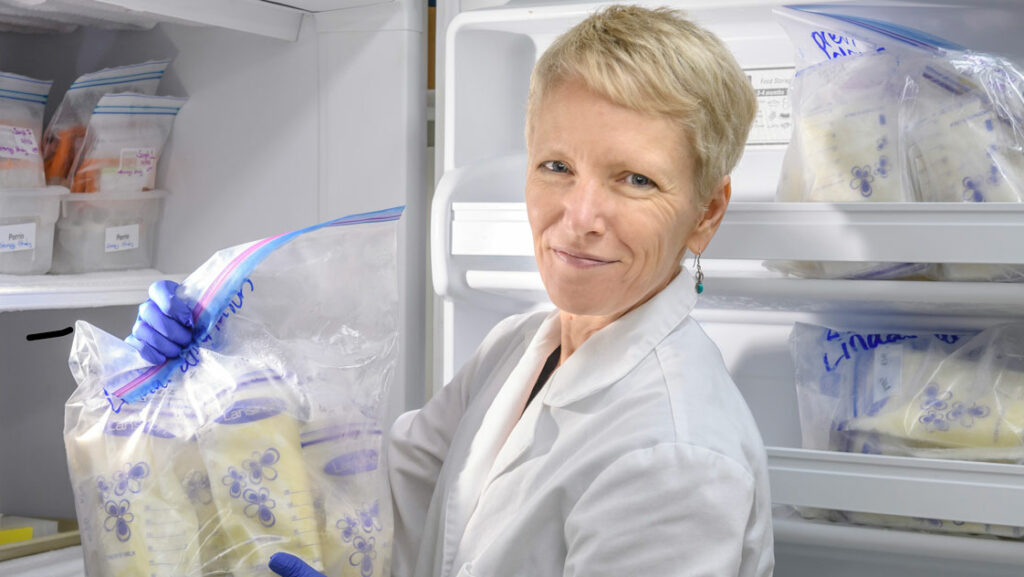
“When you compare milk banking to other critical donations like blood and organs, this is just in the shadows – it’s not very well known.”

“In research, we can develop interventions and programs where we can affect numerous people at one time, communities at one time,” [Enahora] said. “I think it just really helps to advance the practitioner’s role…and complement what’s done in practice.”

As a high school student, Jessica Pastuf ’18 dreamed of one day working as an NFL dietician.
That dream led her to UNC Greensboro to pursue a bachelor of science in nutrition, and then to the University of Utah, where she completed her master’s in sports nutrition.
Now, less than three years after her UNCG graduation, she’s playing an integral role in promoting the high performance fueling habits of the Tampa Bay Buccaneers as they prepare to compete in the Super Bowl.

Dr. Jared McGuirt thinks we should pay more attention to billboards.
“Advertisements in our environment have simple messaging; the graphics are very intentional. These companies know what they’re doing,” says the assistant professor of nutrition. “We should take our cues from the business sector.”
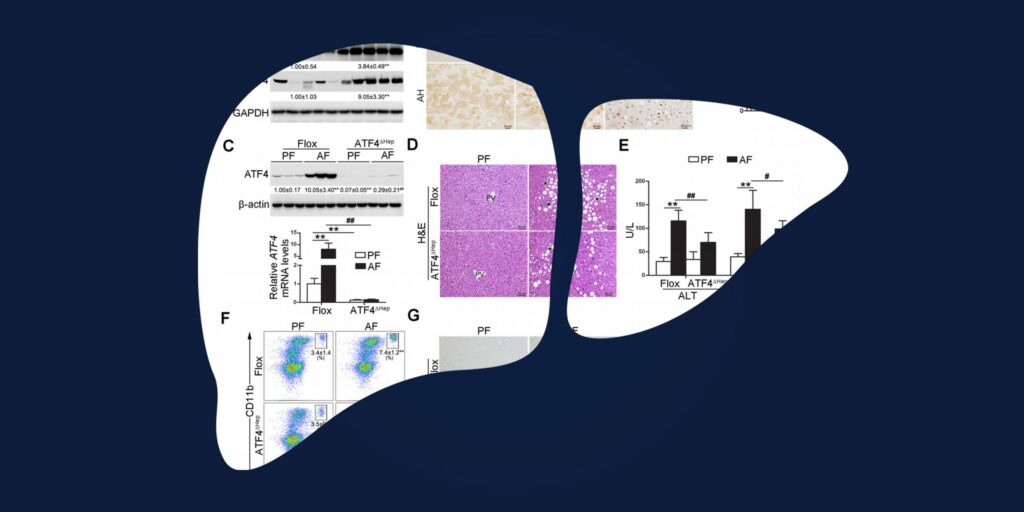
The ATF4 gene is activated in mice liver cells in response to chronic alcohol exposure. In their new study, the researchers linked that gene activation to a form of mitochondrial dysfunction that contributes to alcohol-induced liver injury.